Welcome to a new departure for the Friendly Friday Challenge. Every six weeks when it's my turn to host, I will be introducing you to a person or people I have met on my travels. People whom I have been inspired by, fascinated by or perhaps intrigued by. And I will be inviting you to do the same. As much as the sights we see, it is the people we meet who make travel so rewarding and so memorable. Whether close to home or on the other side of the world, an interesting encounter can really bring a place to…
-
-
For most photographers the old town of Hoi An is a riot of colour, as it was for me too. The beautiful lanterns adorning the streets; the rich ochre of its buildings; the traditional costumes worn by many Vietnamese visitors; the boats bobbing on the river … But I also took a lot of street photos there, and traditionally most street photographers work in black and white.
-
As much as the sights we see, it is the people we meet who make travel so rewarding and so memorable. Whether close to home or on the other side of the world, an interesting encounter can really bring a place to life. A few years ago we had just such an encounter in Seaton Sluice, a coastal village north of Newcastle in north east England.
-
One person I did not expect to meet in North Korea was a monk. In this famously atheist country, where tourists are forbidden to disseminate religious texts and the prevailing religion might be said to be belief in the supremacy of the Dear Leaders and the Juche idea, true religious conviction is hard to find. And I am still unsure whether or not I found it here.
-
Salma is an Omani Bedouin. She lives part of the time in a tent on the fringes of the vast Wahiba Sands; and part of the time in a modern house in the nearby town of Bidiyyah. She wore the traditional Bedouin face mask, designed to protect from sandstorms and the elements in general, as she and her daughter in law served our lunch of traditional bread, rice, dhal, chicken, fish and salad.
-
These feet are indeed made for walking, and that’s just what they’ll do! So let's see where our feet will take us today, through a gallery of (mainly) street photos on the theme of walking, taken all over the world.
-
In a simple room in old Fort Kochi, Kerala, a young man is gradually transforming himself. In one hand he holds a small mirror; in the other the fine brush with which he applies paint to his face. An audience of tourists watches agog, cameras flashing, phones held aloft.
-
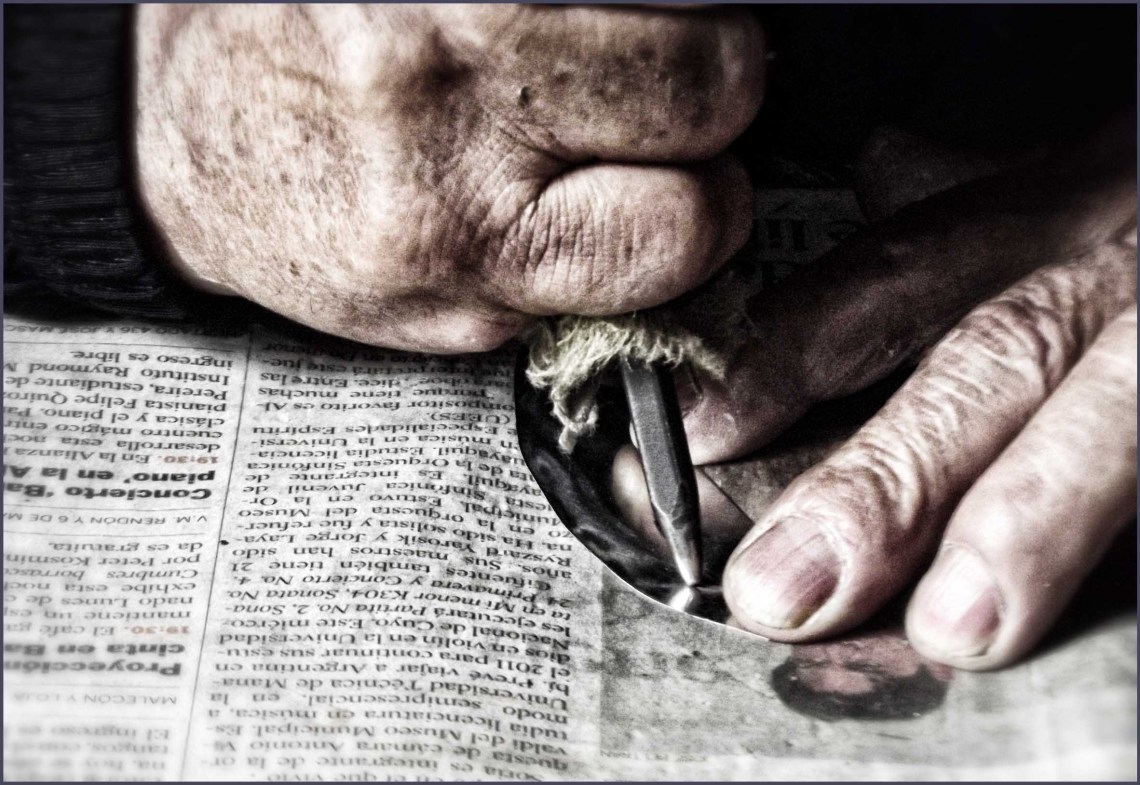
Travel opens our eyes not only to the differences between various countries and cultures but also their similarities. One thing it seems that we all have in common is the desire to use our hands to craft beauty from simple objects. And what we create says much about our culture and heritage.
-
Nikko’s Futarasan shrine is only five minutes’ or so walk from its more famous neighbour, Toshogu, but it seemed to us that we were in a different world. The crowds had dissipated, leaving just a handful of tourists and some local families. We strolled around in a much more leisurely way than had been possible at Toshogu, taking photos and soaking up the tranquil atmosphere and the rich colours of the leaves just starting to take on their autumn hues.
-
Nguéniène would be a fairly unremarkable Senegalese village were it not for the huge scale of its weekly market, which draws people from many miles around. As we drove towards the village with our local guide Cheikh, we could see many others on the roads, mostly in traditional horse carts, all converging on this one spot. The women were colourfully dressed as always here, as were many of the men; and the carts were piled high with produce to sell.