Salma is an Omani Bedouin. She lives part of the time in a tent on the fringes of the vast Wahiba Sands; and part of the time in a modern house in the nearby town of Bidiyyah. She wore the traditional Bedouin face mask, designed to protect from sandstorms and the elements in general, as she and her daughter in law served our lunch of traditional bread, rice, dhal, chicken, fish and salad.
-
-
These feet are indeed made for walking, and that’s just what they’ll do! So let's see where our feet will take us today, through a gallery of (mainly) street photos on the theme of walking, taken all over the world.
-
In a simple room in old Fort Kochi, Kerala, a young man is gradually transforming himself. In one hand he holds a small mirror; in the other the fine brush with which he applies paint to his face. An audience of tourists watches agog, cameras flashing, phones held aloft.
-
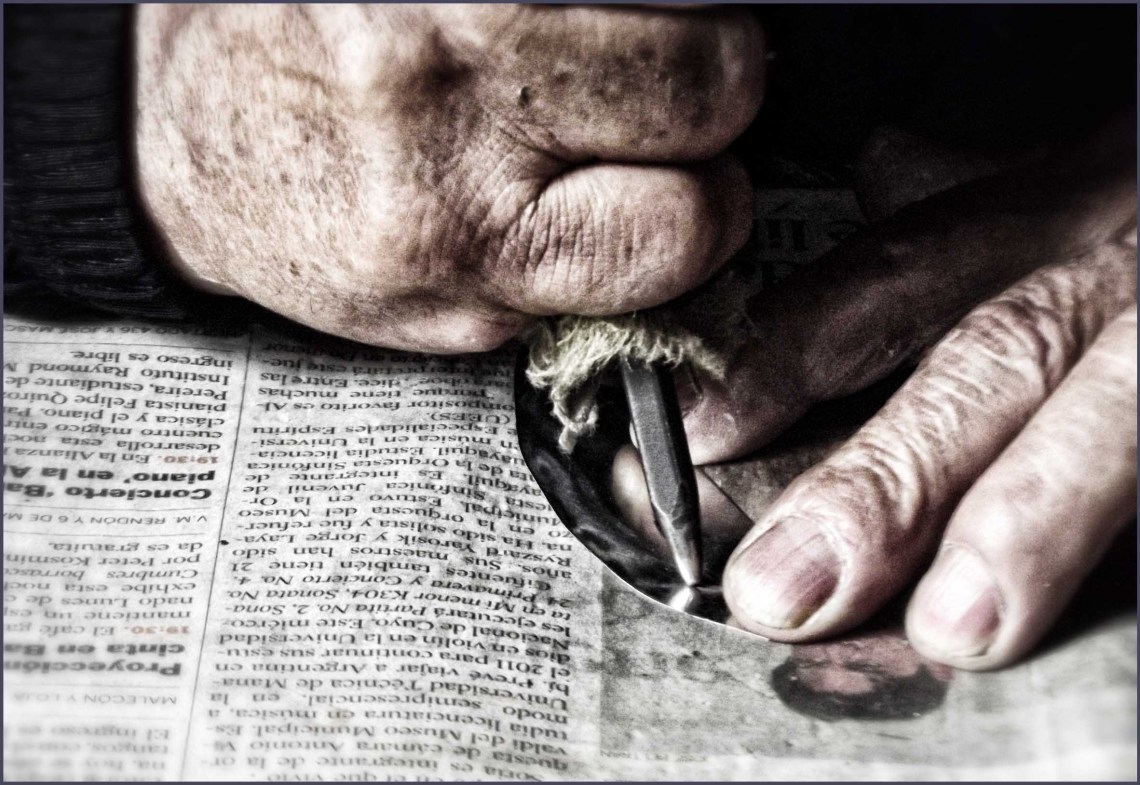
Travel opens our eyes not only to the differences between various countries and cultures but also their similarities. One thing it seems that we all have in common is the desire to use our hands to craft beauty from simple objects. And what we create says much about our culture and heritage.
-
Nikko’s Futarasan shrine is only five minutes’ or so walk from its more famous neighbour, Toshogu, but it seemed to us that we were in a different world. The crowds had dissipated, leaving just a handful of tourists and some local families. We strolled around in a much more leisurely way than had been possible at Toshogu, taking photos and soaking up the tranquil atmosphere and the rich colours of the leaves just starting to take on their autumn hues.
-
Nguéniène would be a fairly unremarkable Senegalese village were it not for the huge scale of its weekly market, which draws people from many miles around. As we drove towards the village with our local guide Cheikh, we could see many others on the roads, mostly in traditional horse carts, all converging on this one spot. The women were colourfully dressed as always here, as were many of the men; and the carts were piled high with produce to sell.
-
There is something a little bit different about San Antonio Palopo, one of the smaller villages on Lake Atitlàn. Most of the villages in this part of Guatemala are Tz'utujil, where bright reds and embroidered flowers are the preferred shades for huipiles, the traditional embroidered blouses. But the people of this village are Cakchiquel Maya; and almost without exception every woman and girl wears the same lovely shades of blue in narrow vertical stripes.
-
At the Dhobi Khana in Fort Cochi, Kerala, nothing much has changed since the first Tamil dhobis were brought in by the Dutch Army 300 years ago to wash their uniforms. Today it is still operated by descendants of those original families, who live and work here as they have done for generations.
-
The catch was brought in hours ago. But the fishing quay in Bakau, in northern Gambia, is nevertheless a hive of activity. Many of the colourful pirogues are pulled up on the beach. Others are floating offshore, as the fishermen check and mend their nets and other equipment. Those that have finished their work sit chatting or try to make a few extra delasi by showing tourists around.
-
On a Sunday evening the promenades along Phnom Penh’s two rivers, the Tonle Sap and the Mekong, are thronged with people. Families come out to enjoy the cooling air. Monks in traditional robes sit talking quietly in small groups. Boats ply the waters, ferrying their passengers to the opposite bank or on pleasure cruises.